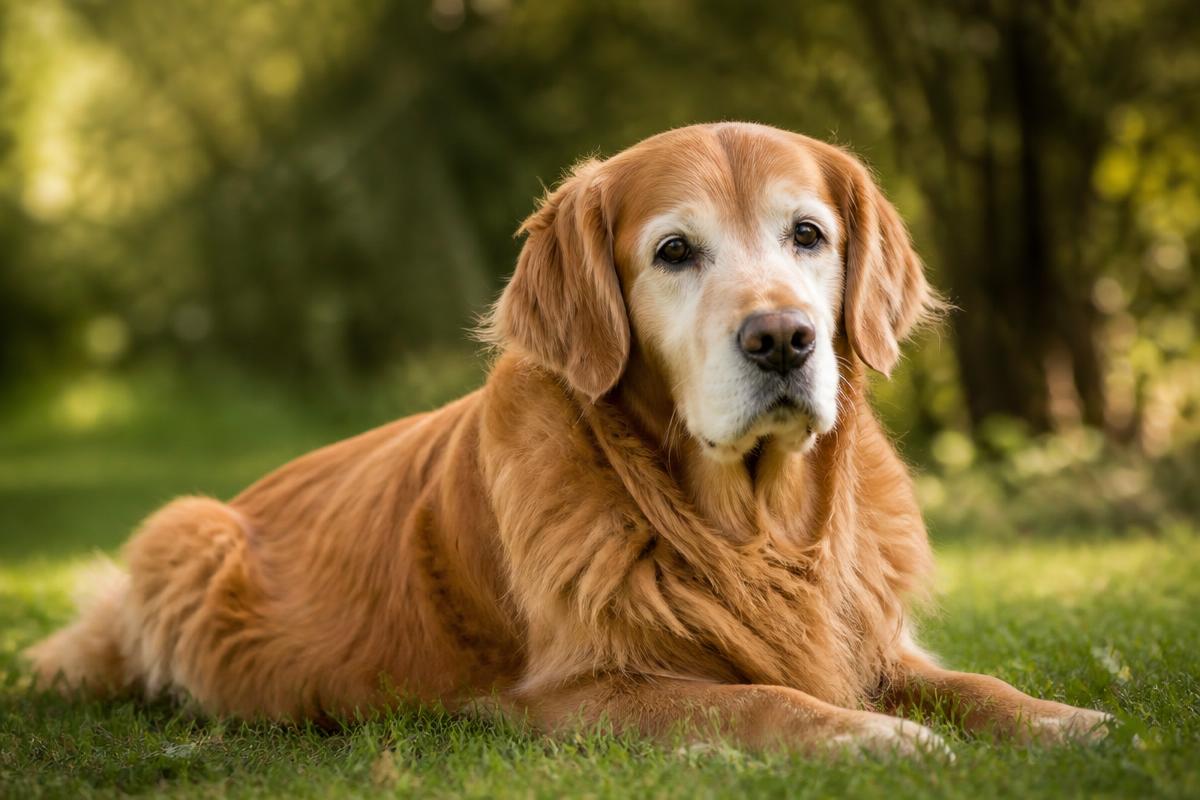
Sometimes they are. An older dog may sleep more or take a little longer to get moving. But I would be cautious about automatically putting changes such as a hunched posture, slower walking, reduced appetite or gradual weight loss down to age.
When I assess a senior dog, I am looking at the dog as a whole. I want to know whether they are maintaining a healthy body condition and muscle mass, moving comfortably, eating well, staying mentally engaged and continuing to enjoy their normal daily life.
That tells me much more about how well they are ageing than their age alone.
I start by looking at the whole dog
Before I begin the physical examination, I am already watching how the dog looks and moves.
I look at body condition first. Are they carrying too much weight, becoming too lean, or starting to look genuinely thin?
Then I look at muscle mass, posture and gait. I also notice how alert they are and how much they are interacting with their owner and the environment around them.
Weight and muscle are not the same thing. A dog can stay at a similar weight while gradually losing muscle, particularly if they are also carrying extra body fat. This is why I assess muscle separately rather than relying only on the number on the scales.
When an older dog is ageing well, I generally like to see a reasonable body condition, good muscle for their age, comfortable movement, a good appetite and continued interest in the people and things around them.
Slowing down is not something I automatically put down to age
One of the changes I see dismissed most often is an older dog gradually becoming more hunched through the back or walking more slowly.
When that happens, I want to know why.
Mobility is not only about arthritis. I think about muscle health, joint health and spinal health together.
During the examination, I watch how the dog stands and walks, palpate the muscles and assess the joints through their range of movement. I check the hips, stifles, hocks, shoulders, carpal joints and toes, as well as the spine and surrounding muscles for discomfort or tension.
A dog does not need to have an obvious limp before there is a mobility problem. Earlier changes may simply be that they take longer to stand, walk more slowly, change their posture or stop doing movements that used to be easy.
Maintaining muscle is also important because it helps support the joints, balance the body and preserve everyday functions such as standing, walking and toileting comfortably.
You can read more about this in my guide to muscle loss in senior dogs.
Appetite, weight and gut changes are important clues
I pay close attention when an older dog starts eating less enthusiastically or gradually loses weight.
Some dogs do become fussier as they age, but if a previously good eater starts taking much longer to finish meals, has an appetite that comes and goes, or is consistently eating less than before, I would want to understand why.
I also ask quite a lot about the gut.
Frequent farting, bloating, recurrent soft stools, mucus or blood in the stool, intermittent vomiting or an appetite that varies from day to day can all be useful clues.
These problems do not need to be severe to matter. If they keep recurring, especially alongside weight loss or reduced appetite, I am more inclined to investigate.
The same applies when an older dog begins drinking noticeably more than before. Increased thirst can occur with several conditions that become more common with age, including kidney disease, diabetes and some hormonal disorders.
The most useful information is often simply that something has changed from that dog’s usual pattern.
For more detail, see Dog Not Eating? When to Worry and What to Do and Why Is My Dog Drinking So Much Water?.
Brain health is part of ageing well
Sleep, behaviour and mental awareness are also important parts of senior health.
Early changes in brain health can be subtle. An older dog may start sleeping much more during the day but then struggle to settle at night. Some become more anxious, pace in the evening, seem less engaged or appear intermittently confused.
I do not immediately assume that these changes are dementia. Pain, declining vision or hearing, urinary problems and other medical conditions can sometimes cause similar changes.
But persistent changes in sleep, behaviour or awareness deserve attention.
Cognitive decline can have a major effect on quality of life. Sometimes the rest of the dog is physically doing reasonably well, but night waking, pacing and confusion are affecting both the dog and the family.
That is why I consider brain health alongside mobility, organ health and physical comfort when deciding how well an older dog is ageing.
Screening helps me pick up changes earlier
For an apparently well senior dog, I consider a physical examination approximately every six months a practical minimum.
If budget allows, I also like routine blood testing that includes a full blood count, kidney and liver parameters, and protein measurements such as albumin and globulin.
The value of screening is not only whether a result is labelled normal or abnormal.
I am also interested in trends.
A result may still sit within the laboratory reference interval but be gradually changing compared with that dog’s previous results. Having earlier results to compare with can help us recognise when something may be starting to change.
In selected patients I may also include C-reactive protein, or CRP, as an inflammatory marker. CRP is not specific for one particular disease, but if it is clearly raised in a dog who appears otherwise reasonably well, it can be another reason to look more closely at the history, examination and other test results.
Screening should always be adjusted to the individual dog. If I find significant weight loss, changes on examination, abnormalities in blood results or an existing chronic condition, I will usually recommend closer monitoring or additional testing.
What does ageing well look like to me?
I do not expect an older dog to move or behave exactly like a young adult.
What I want to see is a dog who is still comfortable, eating well, maintaining useful muscle and mobility, interacting with their family and remaining aware of their surroundings.
A dog can have chronic medical conditions and still have a very good quality of life if those conditions are well managed.
For me, ageing well is not about avoiding every disease. It is about noticing changes early enough that we have the best chance of protecting comfort, function and quality of life for as long as possible.
What I would like owners to notice at home
Owners see their dogs every day, so they often notice important changes before I have the chance to examine them.
The things I find most useful are changes in:
- appetite
- weight
- drinking and urination
- stools
- vomiting
- posture and movement
- sleep
- behaviour
- interaction with the family
You do not need to monitor every detail.
What matters is knowing what is normal for your own dog.
If several small things begin to change together — for example, your dog is becoming thinner, eating less enthusiastically, moving more slowly and interacting less — I would want to look more closely rather than assume that it is simply old age.
Vet-built education. Practical and evidence-led. For informational purposes only; not a substitute for veterinary care. Not for emergencies.