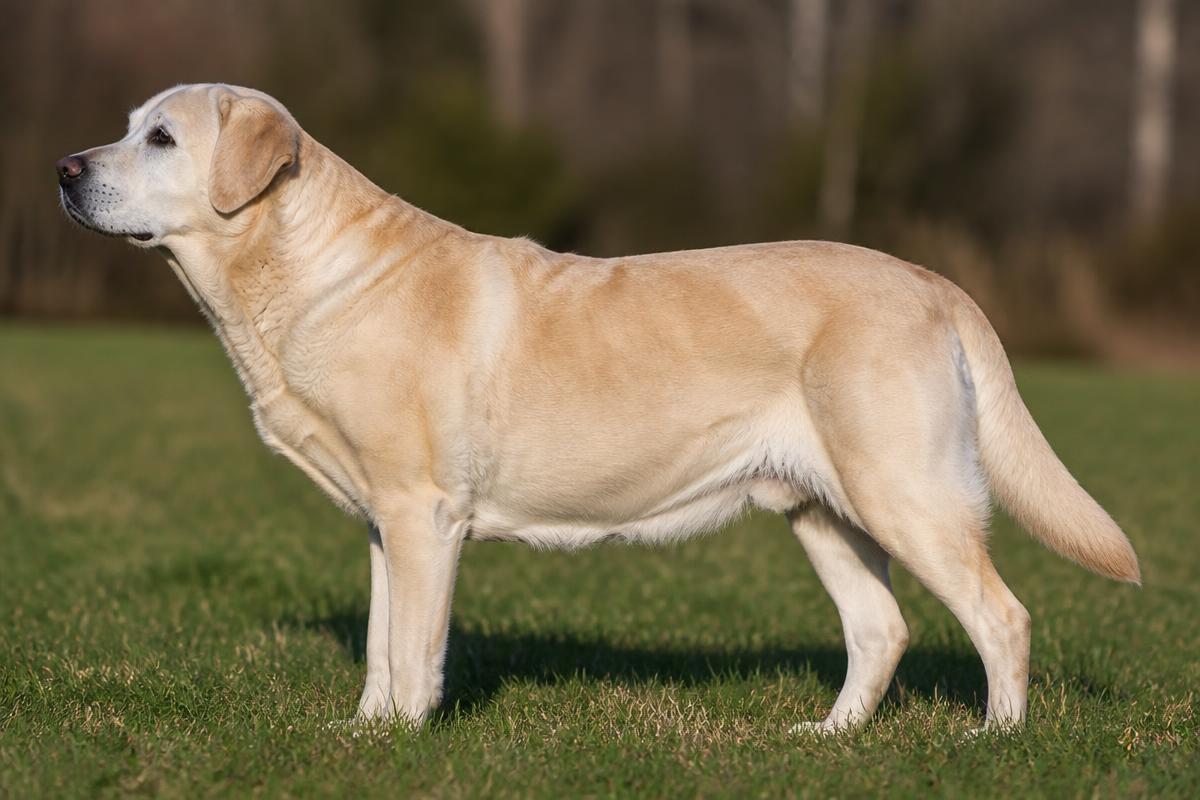
Subtle muscle loss is one of the earliest signs of ageing that I see in my patients. It may begin while a dog is still walking comfortably, getting up without difficulty and maintaining the same weight, because lost muscle can be replaced by body fat.
Once a dog has lost a significant amount of muscle, rebuilding it can be difficult, particularly when there are several chronic health conditions to manage. I prefer to start preserving muscle mass while a dog is younger and active, with suitable exercise, adequate nutrition and regular assessment of their muscle condition.
Muscle supports the joints and helps your dog stand, walk and maintain balance. As it decreases, getting out of bed, climbing stairs or completing a walk becomes harder. Sudden, one-sided or rapidly progressing loss is not something I would attribute to ageing; it needs a veterinary assessment.
Muscle loss may not change your dog's weight
Your dog can lose muscle while gaining body fat, leaving their overall weight almost unchanged. This is why weighing your dog alone does not give a complete picture.
Body condition scoring assesses the amount of body fat your dog carries, while muscle condition scoring assesses muscle. The two should be considered separately because an overweight dog can still have significant muscle loss beneath the fat. The 2023 AAHA senior care guidelines recommend monitoring both as dogs age. [1]
There is no single age at which muscle loss begins. Breed, body size, health and activity all influence how an individual dog ages. Research has found reduced muscle beside the spine in healthy older Labrador Retrievers, although a small study of one breed cannot tell us when clinically relevant muscle loss begins in every dog. [2]
Early signs of muscle loss and how to check
You can learn what your dog's muscles normally feel like by gently running your hands over:
- The shoulder blades
- Both sides of the spine
- The pelvic bones around the hips
- The top and sides of the skull
These are the areas included in the WSAVA muscle condition assessment. As muscle is lost, the bones become easier to feel and the surrounding areas may seem flatter or more hollow. Feeling these areas is particularly useful in dogs with thick coats, where early changes may be difficult to see. [3]
Although formal muscle scoring uses these standard areas, I often notice subtle changes over the gluteal muscles across the hindquarters and the triceps at the back of the upper front legs. Compare the left and right sides as well as how each area feels over time.
Early muscle loss often develops before a dog has hind-leg tremors or difficulty getting up. Later changes may include:
- Slipping more often
- Taking longer to rise from the floor
- Becoming reluctant to jump or climb stairs
- Having difficulty getting into the car
- Walking more slowly or tiring sooner
- Shifting weight away from one leg
- Losing confidence on uneven ground
Ask your veterinarian to assess your dog's muscle condition and show you what to feel for at home. Once you are familiar with your dog's usual muscle condition, gradual changes are easier to recognise.
When muscle loss needs a veterinary assessment
Ageing is one possible contributor to muscle loss. Kidney disease, heart disease, cancer and other chronic illnesses can cause the loss to progress more quickly. Arthritis, spinal problems and neurological disease may also reduce how much a dog uses a particular limb or muscle group.
Please arrange a veterinary assessment if your dog suddenly loses a noticeable amount of muscle, the loss is progressing rapidly, or it is much worse on one side.
A review is also needed if the change occurs alongside reduced appetite, unintentional weight loss, new pain, lameness, weakness, falling or dragging of the feet. Difficulty breathing requires urgent veterinary attention.
Depending on your dog's history and examination, your veterinarian may recommend blood and urine tests, imaging, or a more detailed joint or neurological assessment. Their diet and activity also need to be reviewed because increasing protein or exercise will not resolve an underlying illness.
Feeding to preserve muscle
Protein supplies the amino acids needed to maintain and repair muscle. Healthy older dogs should not automatically be placed on a low-protein diet because of their age. Some may benefit from a diet containing more protein relative to its calorie content, particularly if they eat smaller portions as their energy needs decrease. [1]
There is no single protein target that is appropriate for every healthy adult or senior dog. Their needs depend on their body size, body condition, activity level, calorie intake and health.
The percentage printed on a food label does not tell you how much protein your dog eats each day. You also need to consider the amount of food they consume. Wet and dry foods cannot be compared directly using the label percentages because their moisture content is very different.
Your dog also needs enough calories. If they are eating too little overall, some of the protein in the diet will be used for energy. Reduced appetite, dental pain, nausea and digestive problems should be addressed rather than trying to compensate by adding a protein supplement.
Whether your dog eats commercial food or home-prepared meals, the diet should be complete and balanced. Adding large amounts of meat, eggs or protein powder can alter that balance. Bring details of your dog's meals, treats and supplements to your veterinarian if you would like their actual intake reviewed.
Protein intake in advanced kidney disease
Nutrition becomes more complicated when a dog has advanced kidney disease. Protein and phosphorus intake need to be considered alongside appetite, calorie intake, body condition, muscle loss, blood results and the dog's overall comfort.
In an advanced kidney disease patient, my personal clinical minimum is approximately 2.5 grams of protein per kilogram of body weight each day. I calculate this case by case, using the dog's current or healthy target weight according to their body condition, recent weight change and degree of muscle loss.
This is my clinical approach rather than a universal guideline, and there may be rare situations in which the target needs to be adjusted for a specific patient. However, I am generally uncomfortable restricting protein below this level in a dog who is already vulnerable to losing muscle.
If an advanced kidney patient is not eating enough renal food, I first concentrate on getting enough calories into them with food they are willing to eat. From there, I make the diet as kidney appropriate as is practical. Persisting with a perfectly formulated renal food is of limited value if the dog eats too little of it to meet their energy and nutritional needs.
Poor appetite in kidney disease may also be caused by nausea, dehydration, mouth ulcers or worsening uraemia. These problems need treatment alongside any dietary changes. Adding extra meat without guidance can increase phosphorus and alter the balance of a renal diet, so the whole nutritional plan should be reviewed with your veterinarian.
Track what matters. A simple weekly check-in on your dog's energy, appetite, comfort, stools, sleep, and thirst makes changes far easier to spot.
Choosing appropriate exercise
Regular movement helps your dog continue using their muscles. The type and amount of exercise should be chosen according to their health, how they move and which muscles need strengthening.
Suitable activities may include:
- Regular controlled walks
- Shorter walks more frequently when stamina is limited
- Walking on gentle slopes
- Slow sit-to-stand exercises
- Carefully supervised stepping over low obstacles
- Swimming or underwater treadmill sessions where appropriate
Strengthening exercises should be slow and controlled. Three well-performed sit-to-stands on a non-slip surface are more useful than ten rushed repetitions during which your dog twists, slips or pushes mainly through one side.
Watch how your dog feels later that day and the following morning. If they are noticeably stiffer, more painful or unusually tired, the exercise needs to be adjusted. Dogs with significant arthritis, spinal disease, neurological weakness, or heart and respiratory conditions may benefit from a programme designed with their veterinarian or a veterinary rehabilitation professional.
Canine research on exercise and muscle gain remains limited. In a small 2024 study, healthy dogs that completed eight weeks of jogging and strengthening exercises maintained their weight while their thigh circumference increased. The study did not directly measure muscle gain or include a control group, so it does not establish one particular exercise programme for senior dogs. [4]
Pain management and the home environment
Pain can gradually reduce activity before an owner notices obvious lameness. A dog who avoids loading a painful leg has fewer opportunities to maintain the muscles around it.
Appropriate pain management may help your dog use the affected limb more comfortably and participate in exercise or rehabilitation. Depending on the cause, treatment may involve medication, weight management, physiotherapy and changes around the home. [5]
Look at the routes your dog uses every day. Non-slip mats beside the bed and along frequently used areas can make standing and walking easier. Ramps, accessible resting places and a suitable support harness may help dogs who are struggling with steps or getting up.
Can lost muscle be rebuilt?
Some muscle can be regained, especially when the loss is mild and the underlying cause can be addressed. Improvement is usually more difficult when muscle loss is advanced, movement is severely limited or several illnesses are present.
Follow changes in function as well as appearance. Your dog may begin to rise more smoothly, use their legs more evenly or walk with better control. Photographs taken from the same angle can help you compare their shape, although repeated hands-on assessment is still useful.
If your dog continues losing muscle despite eating adequately and following an appropriate exercise programme, arrange another assessment. Their nutrition, pain control or underlying medical condition may need to be reviewed before their exercise is increased.
Do muscle-building supplements help?
Most dogs do not need protein powder or a muscle-building supplement when their diet already provides enough protein and calories.
Omega-3 fatty acids may be helpful for some dogs with osteoarthritis or inflammatory disease, but this does not mean that they directly rebuild muscle in senior dogs. [5] Supplements should be chosen for a specific reason, with the dose, existing diet and medical conditions taken into account.
At your dog's next check-up, ask for their weight, body condition and muscle condition to be recorded separately. Learning how their muscles normally feel will make it easier to recognise a gradual change while there is still time to review their health, food and activity. For the wider health checks that become useful with age, see the senior dog care guide.
What to Do This Week
Gently run your hands over your dog's shoulder blades, spine, pelvic bones and skull, comparing the left and right sides, so you learn what their muscles normally feel like. At your dog's next check-up, ask for their weight, body condition and muscle condition to be recorded separately.
When to See a Vet Urgently
Arrange a veterinary assessment if your dog suddenly loses a noticeable amount of muscle, the loss is progressing rapidly, or it is much worse on one side — or if it occurs alongside reduced appetite, unintentional weight loss, new pain, lameness, weakness, falling or dragging of the feet. Difficulty breathing requires urgent veterinary attention.
This article is for educational purposes only and does not replace professional veterinary advice. If your dog is unwell, please consult your veterinarian.
References
- AAHA. 2023 Senior Care Guidelines for Dogs and Cats: Nutrition (2023). Read the AAHA senior care nutrition guidelines (opens in a new tab).
- Hutchinson D et al. Assessment of Methods of Evaluating Sarcopenia in Old Dogs (2012). View the study on PubMed (opens in a new tab).
- WSAVA Muscle Condition Score Chart for Dogs (undated). Download the WSAVA muscle condition score chart (PDF, opens in a new tab).
- Söder J et al. Effects of a Physical Exercise Programme on Bodyweight, Body Condition Score and Chest, Abdominal and Thigh Circumferences in Dogs (2024). View the study on PubMed (opens in a new tab).
- AAHA 2023 Senior Care Guidelines: Pain Management (opens in a new tab) and Disease Management Nutritional (opens in a new tab).
Muscle is one of seven areas that matter most for supporting a longer, healthier life.