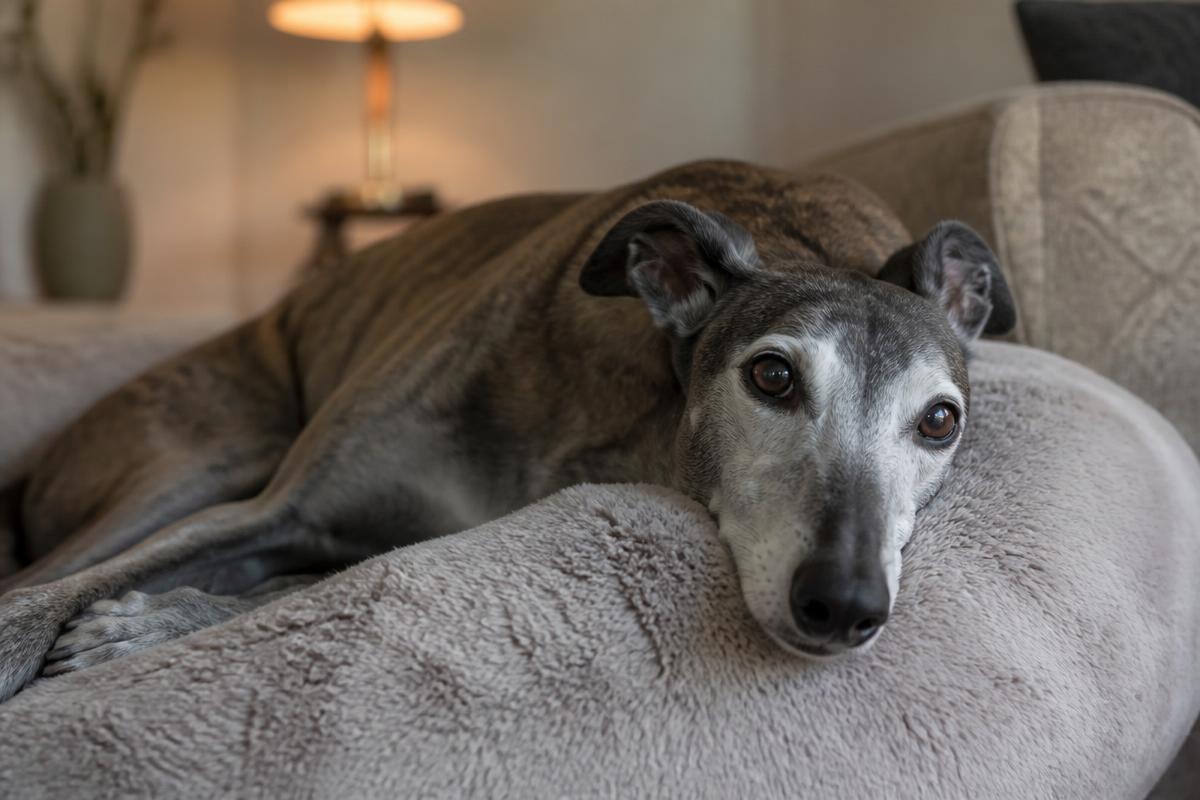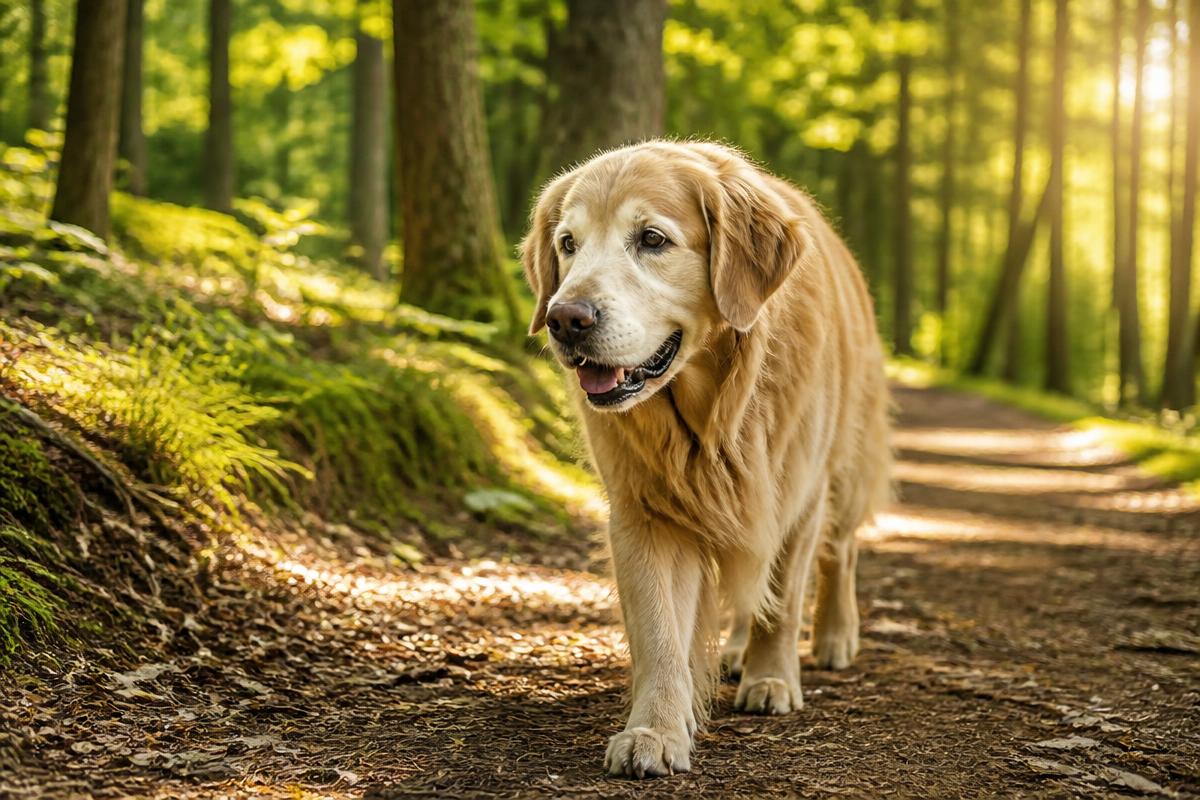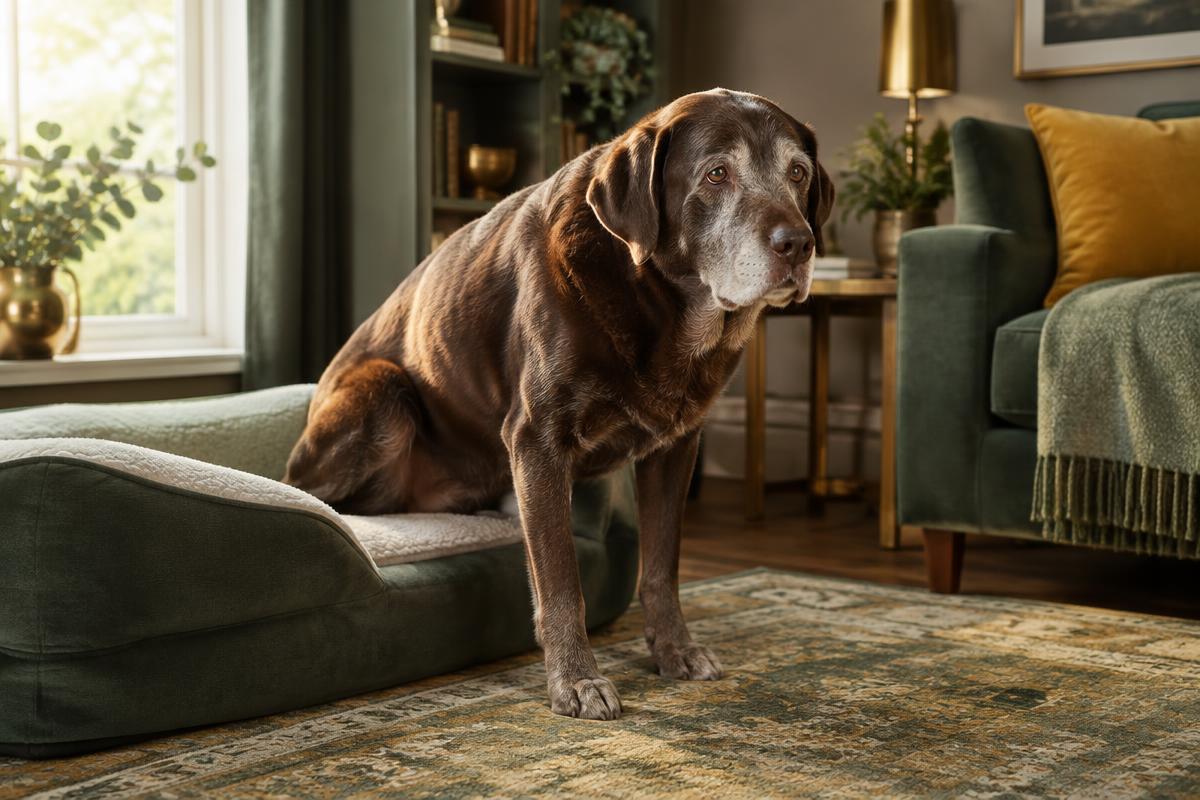
Arthritis is one of the most common conditions I see in older dogs, but it is also one of the easiest to miss in its early stages. Many dogs do not start with an obvious limp. They simply become a little slower, stop doing things they once enjoyed or begin finding everyday movements more difficult.
These changes are often attributed to ageing. In reality, slowing down may be the first sign that a dog is living with chronic pain.
The short version
Osteoarthritis is a progressive disease affecting the whole joint. The cartilage gradually becomes damaged, but the surrounding bone, joint lining, capsule, ligaments and muscles can also be affected. This leads to inflammation, pain, stiffness and reduced mobility.
Although arthritis is more commonly diagnosed in older dogs, the process can begin much earlier. Hip or elbow dysplasia, patellar luxation, cruciate ligament disease, previous injuries and abnormal joint development can all lead to osteoarthritis.
The structural changes inside the joint cannot currently be reversed. However, arthritis pain and mobility can often be managed very successfully, particularly when treatment begins early.
Early signs of arthritis in dogs
Arthritis usually develops gradually.
Watch for:
- Stiffness after sleeping or resting
- Taking longer to get up from the floor
- Hesitating before jumping into the car or onto furniture
- Avoiding stairs or taking them more cautiously
- Walking more slowly, particularly towards the end of a walk
- Wanting shorter walks
- Less interest in running, playing or chasing a ball
- Shifting weight away from one leg
- Sitting or lying in a different position
- Licking or chewing around a painful joint
- Irritability when a particular area is touched
- Withdrawing from family activity
- Muscle loss over the shoulders, thighs or hips
Some dogs become stiff when they first stand and then appear to loosen up once they have been moving for a few minutes. Others cope reasonably well during the walk but are noticeably more uncomfortable later that day or the following morning.
Behavioural changes can be just as important as a visible limp. A dog who no longer follows you upstairs, stops greeting you at the door or becomes reluctant to be handled may be trying to avoid pain.
Arthritis is not simply normal ageing
Older dogs may naturally become a little less energetic, but difficulty standing, reluctance to climb stairs and loss of interest in normal activities should not automatically be accepted as part of getting old.
Ageing increases the risk of arthritis. It does not make chronic pain normal.
Arthritis is not exclusively an old-dog disease either. In some dogs, joint abnormalities begin during growth and osteoarthritis follows much earlier than owners expect. Large and giant breeds are at greater risk of several developmental joint conditions, although arthritis can affect dogs of every size.
If your dog belongs to a higher-risk breed, ask your vet when joint assessment or screening would be appropriate. The timing will depend on the breed, physical examination findings, activity and family history.
What if the lameness begins suddenly?
The underlying joint damage caused by osteoarthritis usually develops slowly, but the symptoms do not always follow a perfectly steady pattern. A dog with arthritis can have a sudden painful flare, particularly after unusually strenuous activity or a slip.
However, sudden lameness should never automatically be blamed on arthritis.
A dog who was moving normally yesterday and is suddenly unable or unwilling to bear weight today may have:
- A cruciate ligament injury
- A muscle, tendon or ligament strain
- A fracture or dislocation
- A torn nail or paw injury
- Spinal pain or a neurological problem
- An infected or inflamed joint
- An acute injury on top of existing arthritis
Muscle loss can support a history of longstanding pain and reduced use of a limb, but it is not a reliable way to rule arthritis in or out. Dogs with early arthritis may still have excellent muscle mass. Muscle loss can also be difficult to recognise when both sides are affected.
A sudden change deserves a fresh examination, even if your dog already has a diagnosis of arthritis. Seek veterinary attention promptly if your dog cannot bear weight, cries out in pain, has a swollen limb, drags or knuckles a paw, appears weak or cannot stand.
How arthritis is diagnosed
Diagnosis usually begins with your description of what has changed at home. Short videos of your dog getting up, walking, using stairs or moving before and after exercise can be extremely useful, particularly if your dog moves differently in the clinic.
Your vet will assess your dog's gait and examine both the joints and spine. The examination may include checking for:
- Pain when a joint is moved
- Reduced range of movement
- Joint swelling or thickening
- Instability
- Crepitus, which is a grating or crackling sensation within the joint
- Changes in posture or weight distribution
- Differences in muscle mass between limbs
- Neurological abnormalities that could indicate a spinal problem
X-rays are often helpful. They can show bony changes associated with osteoarthritis and may identify underlying problems such as hip dysplasia or an old injury. They can also help rule out some other causes of pain.
The severity of the X-ray changes does not always match the severity of the dog's symptoms. Some dogs have striking changes but remain quite mobile. Others experience considerable pain despite relatively mild radiographic changes. Treatment should therefore be guided by the whole picture: your dog's behaviour at home, the physical examination and the imaging findings.
Treating arthritis in dogs
Arthritis management is rarely based on one treatment alone. Most dogs do best with a combination of:
- Pain control
- Suitable, controlled exercise
- Muscle preservation
- Weight management
- Practical changes at home
Keep your dog lean while preserving muscle
Excess body fat places additional load on painful joints. For an overweight dog, even modest weight loss can improve mobility and reduce lameness.
Weight loss should not come at the expense of muscle. Older dogs with arthritis need adequate nutrition, appropriate protein and enough controlled movement to maintain strength. A light dog with poor muscle mass is not necessarily in better condition than a slightly heavier but strong, well-muscled dog.
The goal is a lean, muscular body rather than simply the lowest number on the scales.
Choose consistent, controlled exercise
Complete rest usually makes chronic arthritis worse. Joints become stiffer and muscles weaken, placing even more strain on the affected areas.
Most dogs benefit from regular, low-impact activity. As a general guide:
- Several shorter walks are often better tolerated than one long walk.
- Keep activity consistent across the week rather than saving it all up for the weekend.
- Avoid the pattern of very little activity during the week followed by a long hike, run or intense ball session.
The right amount of exercise varies between dogs. If your dog is much stiffer later that day or the following morning, the session was probably too demanding.
Use appropriate pain relief
The main pain-relief options for dogs with osteoarthritis include:
- Non-steroidal anti-inflammatory drugs (NSAIDs), which remain an important treatment for many dogs
- Medications that work through different pain pathways
- Injectable monoclonal antibody treatments
No pain medication is suitable for every dog, and none should be treated as risk-free. Before recommending a plan, your vet will consider:
- Your dog's age
- Kidney and liver health
- Gastrointestinal history
- Any other medications your dog is taking
- Neurological status
Dogs receiving long-term medication may need blood and urine monitoring.
Never give your dog human pain medication unless your vet has specifically instructed you to do so. Common medications such as ibuprofen and naproxen can cause severe or fatal toxicity in dogs.
Consider physical rehabilitation
Rehabilitation can help rebuild muscle, improve balance and maintain joint movement. Depending on the dog, a programme may include:
- Controlled strengthening exercises
- An underwater treadmill
- Balance work
- Massage
- Range-of-motion exercises
Hydrotherapy can be useful, but simply allowing an unfit or painful dog to swim freely is not the same as a structured rehabilitation programme. Exercise should be matched to the painful joints, the dog's fitness and any other medical conditions.
Be selective with supplements
Omega-3 fatty acids containing EPA and DHA have better evidence for supporting dogs with osteoarthritis than many other joint supplements. The amount used for joint support may be different from a general wellness dose, so it is worth discussing the product and dose with your vet.
Glucosamine and chondroitin remain popular, but current clinical evidence does not show a consistent improvement in arthritis pain. A joint supplement should not replace effective pain relief, weight management or rehabilitation.
Make the home easier to navigate
Small changes can remove repeated sources of strain:
- Place non-slip runners or mats on slippery flooring
- Use a ramp for the car where practical
- Block unnecessary access to steep stairs
- Provide a supportive bed in an easily accessible area
- Keep food and water within comfortable reach
- Keep nails and excess paw fur trimmed to improve grip
- Use a well-fitted harness if your dog needs help standing
These adjustments may appear minor, but your dog encounters them many times every day.
Discuss surgery when appropriate
Some dogs have an underlying orthopaedic condition that may benefit from surgery, particularly cruciate ligament disease, severe hip disease or joint instability. Surgery is not required for every arthritic dog, but it should not be dismissed when correcting the underlying problem could improve comfort and function.
Monitor your dog
Arthritis changes over time, so treatment should change with it. Instead of relying only on whether your dog limps, choose a few everyday activities to monitor:
- How easily your dog gets up in the morning
- Whether they still use the stairs
- How far they comfortably walk
- Whether they can toilet without struggling
- How willing they are to play or interact
- How they feel later in the day and the next morning
Videos taken every few months can reveal gradual changes that are difficult to notice when you see your dog every day. They also help your vet judge whether a treatment is genuinely improving mobility rather than relying on memory alone.
Protecting muscle is a big part of keeping an arthritic dog mobile — see why senior dogs lose muscle and what helps. And if you are unsure whether a change is significant, this guide to when to call the vet can help you decide.
Frequently asked questions
My dog suddenly started limping. Could it still be arthritis?
Yes, arthritis pain can flare suddenly, but an acute injury may look very similar. A new limp, particularly if your dog will not bear weight, should be examined rather than assumed to be arthritis.
Does normal muscle mass rule out arthritis?
No. Dogs with early arthritis may not have lost any muscle yet. Muscle loss becomes more likely when pain has been present for longer, but its absence does not exclude joint disease.
Does my dog need X-rays?
Not every dog needs X-rays immediately, but they are often useful when the diagnosis is uncertain, the pain is severe or sudden, surgery is being considered or your vet needs to investigate an underlying joint abnormality.
Should a dog with arthritis stop exercising?
Usually not. Excessive or uncontrolled exercise can aggravate pain, but too little movement leads to stiffness and muscle loss. The aim is regular activity at a level your dog can recover from comfortably.
Can arthritis be cured?
Established osteoarthritis cannot currently be cured or reversed. Pain, mobility and quality of life can still be managed very well, sometimes for many years. Earlier treatment gives us a better opportunity to preserve muscle and keep the dog active.
The bottom line
Arthritis usually begins with small changes rather than a dramatic limp. Your dog may take longer to stand, hesitate at the stairs or quietly stop doing something they once enjoyed.
Do not dismiss these changes as normal ageing, but do not assume that every mobility problem is arthritis either. Sudden lameness, weakness or loss of mobility may have a completely different cause, even in a dog who already has arthritic joints.
If you notice a change, take a short video and arrange an examination with your vet. Finding the cause early gives you more options to control pain, preserve muscle and help your dog remain comfortably mobile.
This article is for educational purposes only and does not replace professional veterinary advice. If your dog is unwell, please consult your veterinarian.
About the Author
Dr Kelly Yeo graduated from the University of Melbourne in 2009 and has extensive experience in companion animal medicine, with a special interest in geriatric care, chronic disease management, palliative care, and canine longevity.
Her work focuses on helping dogs live longer, healthier, and more comfortable lives through early detection, thoughtful nutrition, practical preventive care, and compassionate support for owners.